
The Psychology of Environment in Casinos
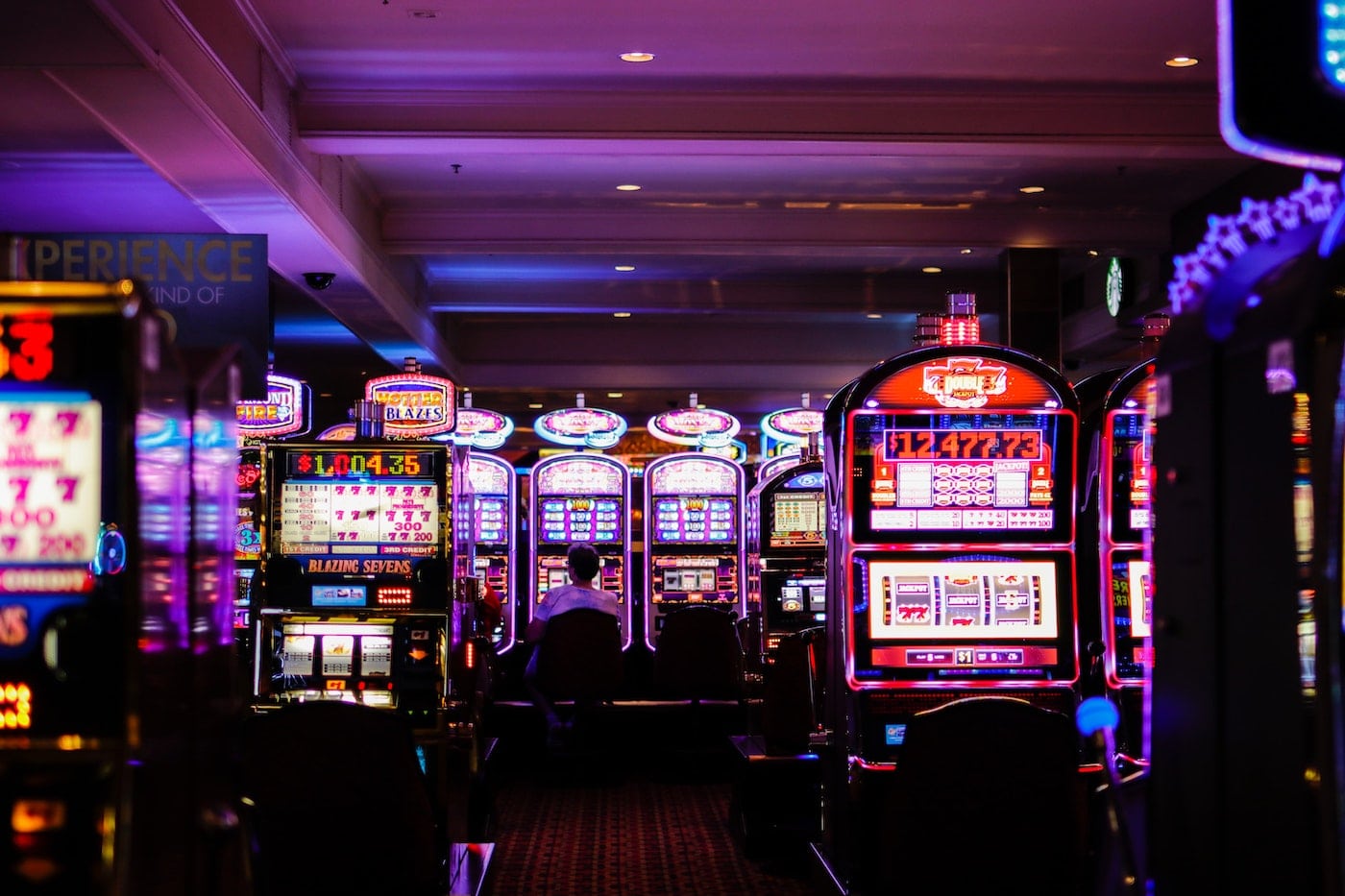
Casinos are meticulously designed to create an immersive experience that captures the attention of their patrons. From the moment a player steps through the doors, they are enveloped in a world that stimulates the senses. The bright lights, vibrant colors, and engaging sounds are all strategically engineered to promote excitement and encourage longer stays. This sensory overload creates an atmosphere where the thrill of gambling feels amplified, making it easier for players to lose track of time and money. In fact, many players gravitate towards the fastest payout casinos, which heighten their anticipation of quick rewards.
Moreover, the layout of casinos is often nonlinear, meaning there are no obvious exits. Players are drawn deeper into the gaming floor, where they may encounter a variety of games, each designed to entice them further. This spatial strategy plays on the psychological principle of loss aversion, where individuals are less likely to leave and risk losing their current winnings. By keeping players within the casino’s grasp, establishments effectively increase the likelihood of greater bets.
The Allure of Rewards and Incentives
Another psychological tactic employed by casinos is the use of rewards and incentives. Loyalty programs are common in the industry, offering players points for their gambling activity that can later be redeemed for free play, meals, or other perks. This system creates a sense of anticipation, as players feel a constant push toward achieving the next reward tier. The psychology behind this is rooted in the concept of variable reinforcement, where the unpredictability of rewards increases engagement and motivation to play more.
Additionally, casinos often provide complimentary drinks and meals to players actively gambling. This not only enhances the gaming experience but also encourages more betting, as players might feel more generous or cavalier about their spending while under the influence. By intertwining rewards with the gaming experience, casinos effectively leverage psychological triggers that keep players coming back for more.
The Role of Social Proof and Influence
Social dynamics play a significant role in how players engage with games in a casino. The presence of other players can create a sense of community and excitement, greatly influencing an individual’s betting behavior. When people witness others winning, it fosters an environment of optimism and encourages them to place their own bets, believing they too might share in the success. This phenomenon is often referred to as social proof, where individuals look to the behavior of others to inform their own actions.
Furthermore, dealers and staff are trained to engage with players, providing a sense of camaraderie. This interaction can heighten the emotional stakes of the game, as personal connections make losses feel more significant and wins more euphoric. By nurturing this social environment, casinos utilize psychological principles that motivate players to extend their gambling sessions and increase their bets.
The Illusion of Control and Gamification
Casinos frequently employ techniques that promote the illusion of control, a psychological concept that suggests players feel empowered in their decision-making process. For example, many games allow players to choose their bets and strategies, creating a sense of agency that can lead to increased gambling. This construct facilitates the belief that their choices directly influence outcomes, even in games of pure chance.
Moreover, gamification elements, such as progress bars and achievement badges, can be integrated into gaming experiences to provide players with visual cues of their success. These elements engage users more deeply, tapping into intrinsic motivations and reinforcing the desire to keep playing. When players feel they are on a winning streak or progressing toward a goal, they are more likely to increase their bets, often overlooking the risks associated with such behavior.
About the Psychological Strategies Behind Casino Operations
The intricate psychological strategies that underlie casino operations are designed to enhance player engagement and increase betting activity. Understanding these tactics can empower players to make more informed decisions and recognize the influences at play while gambling. By becoming aware of how casinos leverage psychology, individuals can better navigate their experiences and mitigate potential losses.
As this exploration of psychological techniques indicates, being mindful of the environment, rewards, social dynamics, and the illusion of control can change how one interacts with gambling. While casinos may harness these tools to heighten excitement and compel greater bets, awareness can lead to a more thoughtful approach to gaming. Further research on this topic can provide additional insights into the gambling experience and how psychology shapes our behaviors and decisions within such venues.